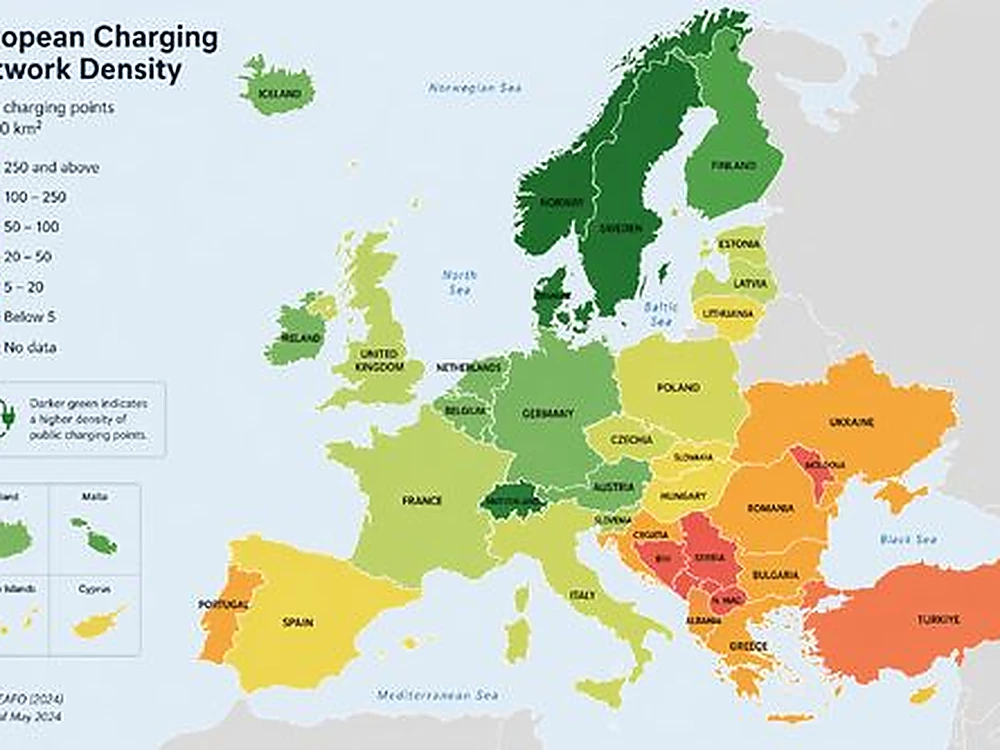
Europe is rewriting the rules of EV infrastructure — and the rest of the world is paying attention. With the EU’s Alternative Fuels Infrastructure Regulation (AFIR) mandating fast-charging stations every 60 kilometres along major motorways by 2025, and total public charging points surpassing 800,000 across the continent, Europe’s EV charging expansion has become the de facto global benchmark. For EV owners, installers, and fleet operators, understanding what Europe is doing right offers a roadmap for smarter, faster deployment everywhere.
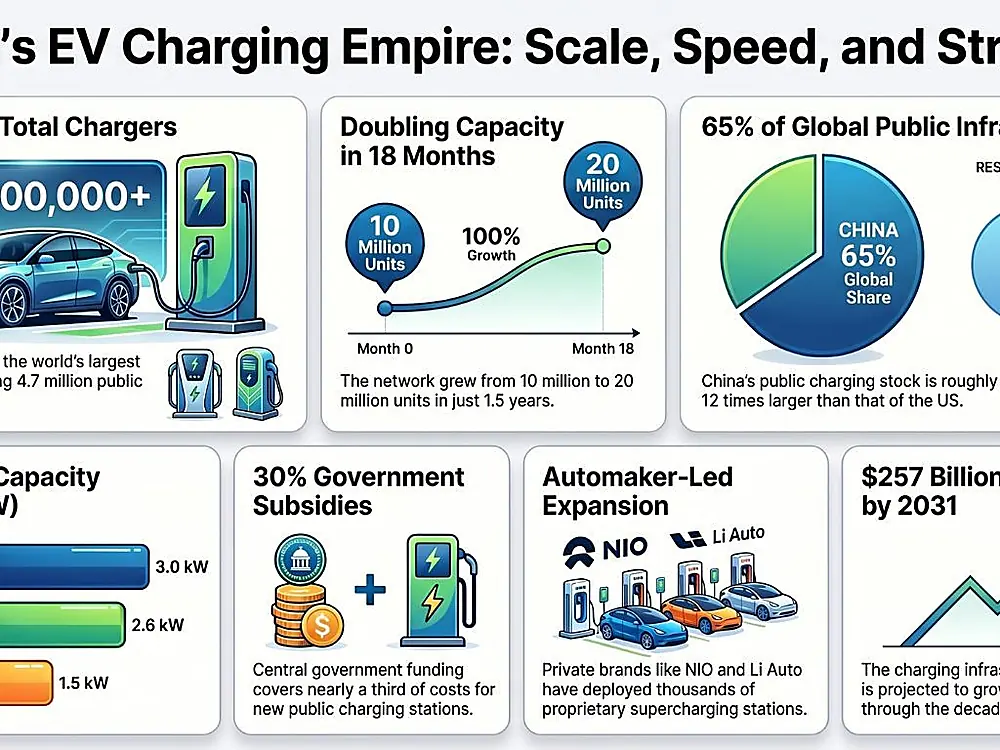
When it comes to electric vehicle (EV) charging infrastructure, no country comes close to China. With more than 20 million EV chargers now installed nationwide—covering everything from bustling urban car parks to rural township roads—China’s charging network is the largest on earth by a staggering margin. For EV owners, installers, and business decision-makers operating in the global market, understanding how China built this network, why it grew so fast, and what lessons it holds is essential reading.
In 2024 alone, over 1.3 million public charging points were added to the global stock, representing a year-on-year increase of more than 30 percent. China was responsible for roughly two-thirds of that growth. Today, the country accounts for approximately 65 percent of the world’s public charging infrastructure and 60 percent of the global electric light-duty vehicle fleet. Those numbers are not just impressive—they are reshaping how the rest of the world thinks about EV charging strategy, equipment standards, and deployment speed.
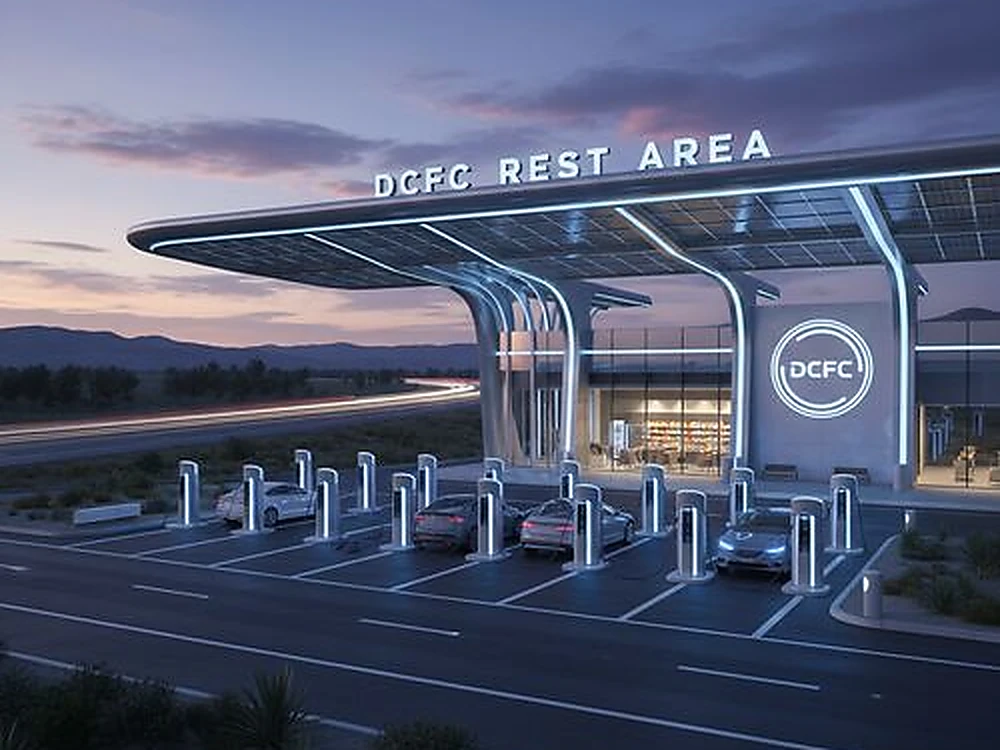
For years, most of the conversation around electric vehicle charging focused on where drivers park overnight — the home garage, the office lot, the apartment complex. That story is still important, but a different one is gaining momentum fast: the race to wire America’s highway corridors with high-powered DC fast chargers.
Highway corridor EVSE deployment is no longer a future ambition. It is happening now, driven by federal funding, aggressive private investment, and a simple reality — you cannot sell an electric vehicle to a country-wide audience if drivers cannot get from city to city without worrying about running out of charge. In 2025, more than 18,000 new DC fast-charging (DCFC) ports opened across the United States, representing roughly 30% year-over-year growth. The total US DCFC port count crossed 70,000 for the first time. And the buildout along designated Alternative Fuel Corridors (AFCs) is accelerating as the industry matures.
This article breaks down what is driving the corridor charging push, what it looks like on the ground, and what it means for EV drivers, site hosts, and the EVSE industry.
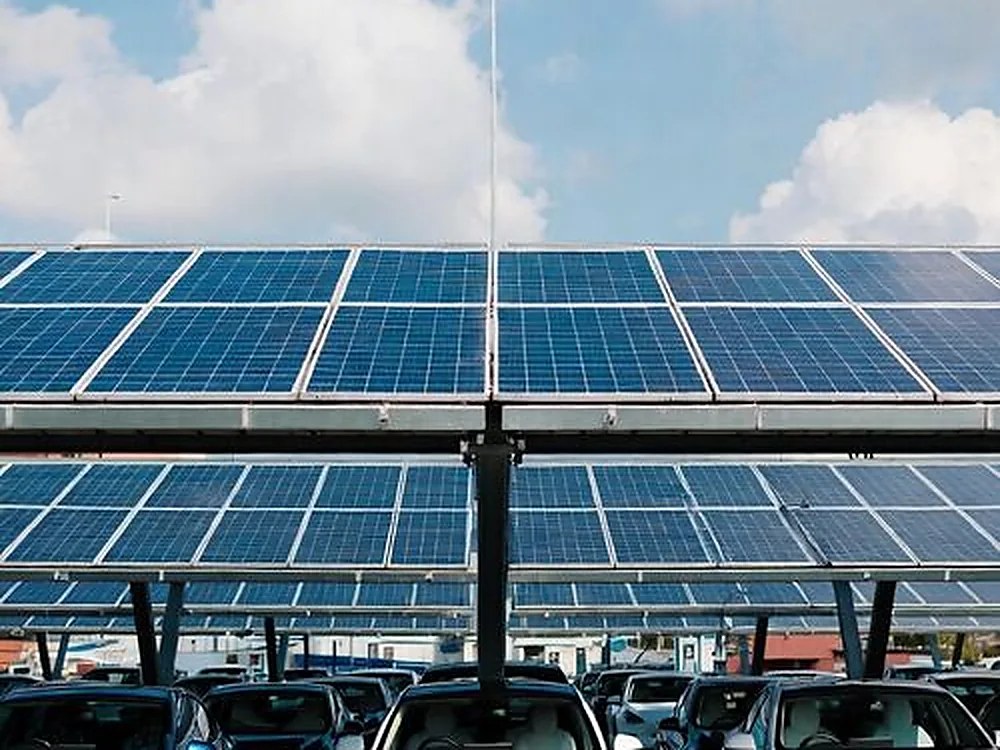
Not long ago, renewable energy and electric vehicle (EV) charging were viewed as separate pieces of the clean energy puzzle. Solar farms generated power; EV chargers consumed it. But in 2026, those two industries are rapidly converging into something far more integrated — and the pace of that convergence is catching even industry insiders off guard.
With renewable energy now accounting for more than a third of US utility-scale generating capacity, and global battery storage on track to reach 123 GW this year, the infrastructure for renewable-powered EV charging has never been more viable. For businesses, property owners, and fleet operators, understanding this shift isn’t just interesting — it’s strategically essential.
This article breaks down why renewable energy and EV charging are merging so quickly, what technologies are driving the change, and what it means for anyone investing in EVSE infrastructure today.
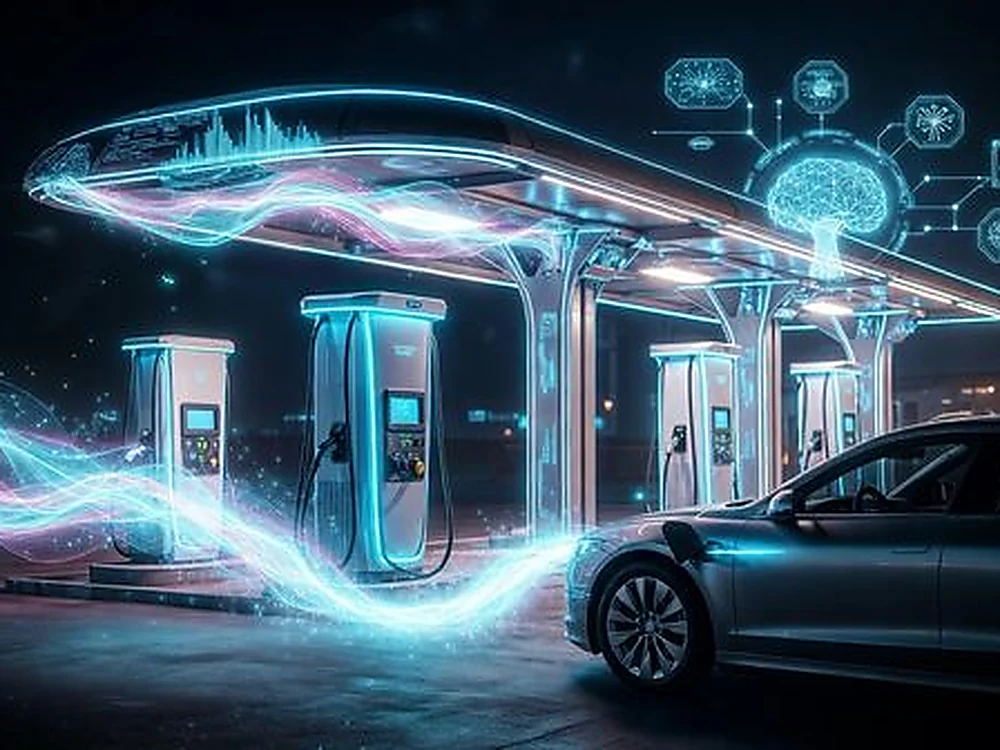
The electric vehicle revolution is accelerating, and with it comes unprecedented demand on charging infrastructure. For EV charger wholesalers, distributors, installers, fleet operators, and commercial buyers, simply deploying more stations is no longer enough. Success in 2026 and beyond depends on intelligence—specifically, AI in EV charging networks that optimize performance, reduce costs, and maximize uptime.
Modern EVSE (Electric Vehicle Supply Equipment) platforms are evolving from passive hardware into intelligent, data-driven systems. AI is no longer a futuristic add-on; it has become a core operational feature that delivers measurable business value to commercial charging deployments.
Why AI Matters for Your EV Charging Business EV adoption continues to surge, with charging infrastructure markets projected to grow significantly through 2033. Yet grid constraints, peak demand charges, and maintenance challenges threaten profitability. AI-powered solutions address these pain points head-on, turning potential liabilities into competitive advantages.
For years, wireless EV charging occupied a comfortable space between promising prototype and practical reality. Demonstrations at auto shows generated buzz, academic papers quantified efficiency benchmarks, and industry insiders spoke confidently about the technology’s transformative potential. Yet for most EV owners, operators, and installers, the plug-in cable remained the only real option. That is rapidly changing.
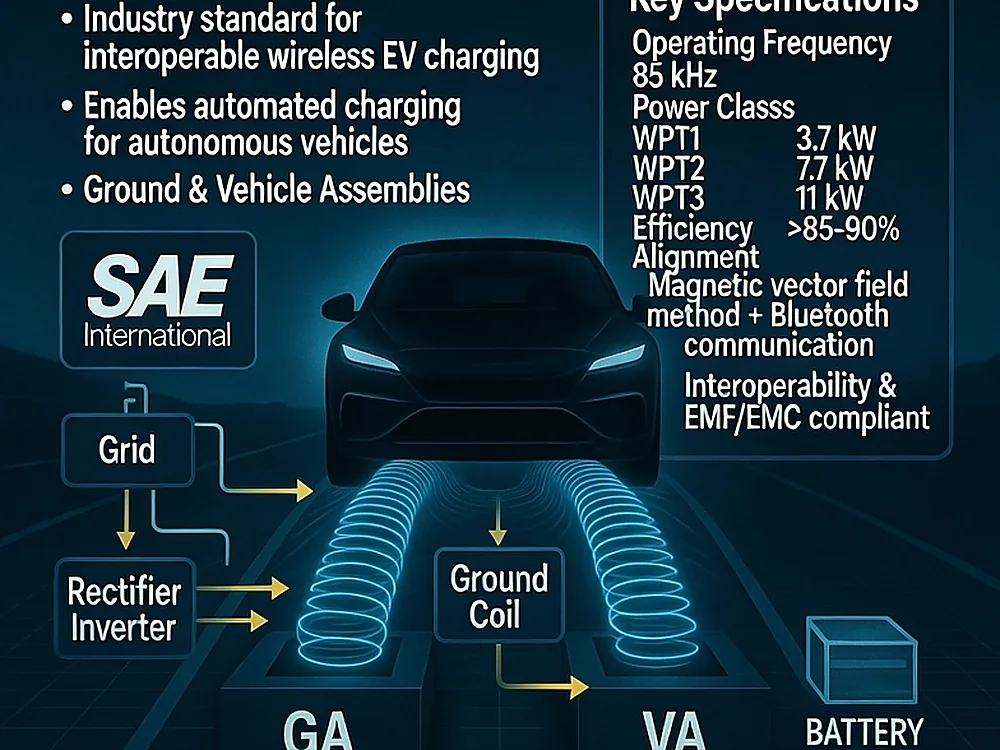
As of 2025 and into 2026, wireless EV charging has crossed a critical threshold. Real deployments are operating at commercial scale. A landmark industry standard — SAE J2954 — has codified the technology for light-duty vehicles. Automotive manufacturers including Porsche are announcing production-ready systems. And in the heavy-duty and fleet segment, inductive charging is already moving fleets that previously relied on cumbersome manual plug-in routines.
This article examines how wireless EV charging works, what the arrival of SAE J2954 means for the industry, where real-world deployments are happening right now, and what fleet operators and commercial property owners should be thinking about as this technology matures.